
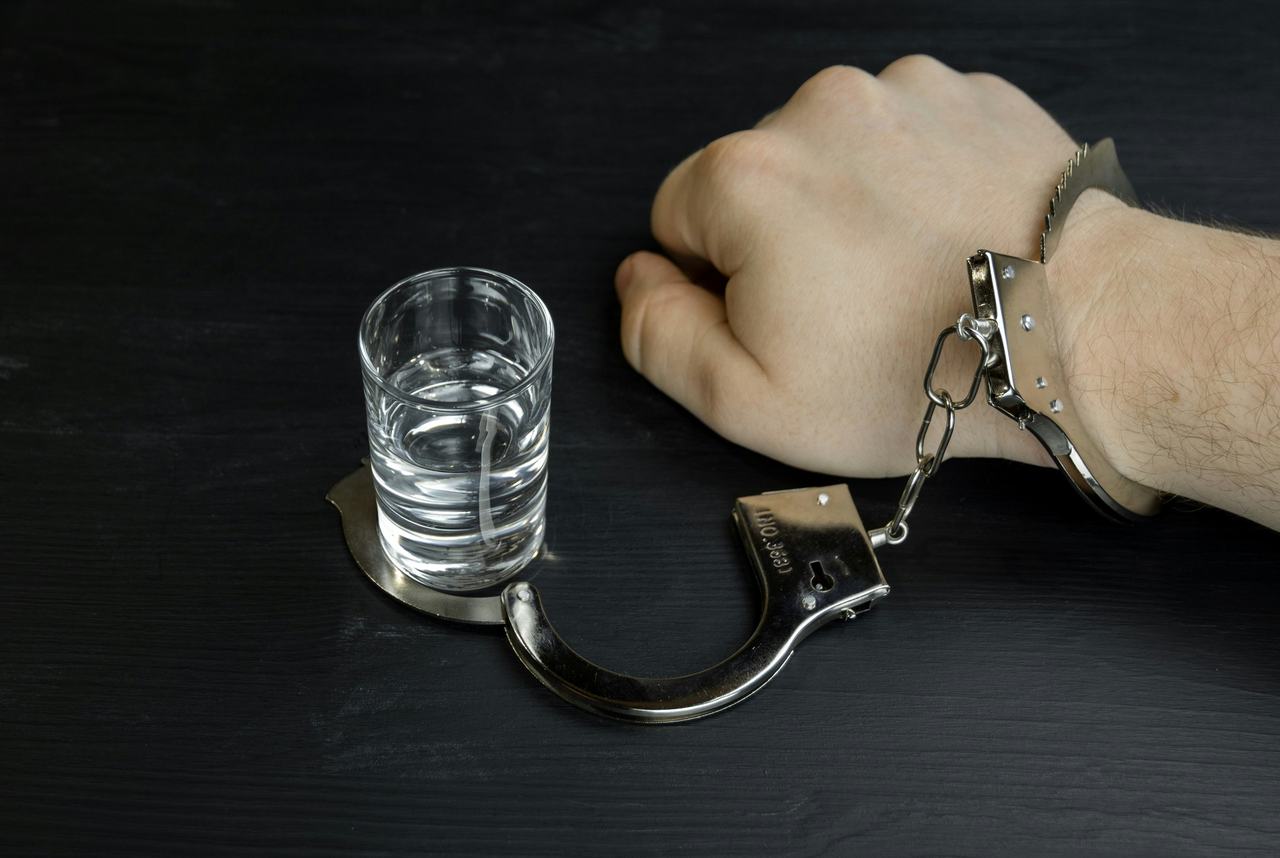
ChAD and alcohol and substance misuse – why is this combination so common?
If you live with bipolar disorder, you may have had periods when you reached for alcohol, sedatives, cannabis or other substances “to finally feel something or to feel nothing at all”. This is not an uncommon scenario – ChAD and substance misuse very often co‑occur, although in practice they bring more harm than relief.
ChAD – briefly, in plain language
Bipolar affective disorder is a mood disorder in which periods of markedly low mood (depressive episodes) alternate with episodes of elevated mood (hypomania, mania) or mixed episodes.
These are not “ordinary mood swings” but episodes that interfere with work, relationships, sleep, appetite and sense of meaning.
In depression there is slowing, helplessness, a sense of emptiness.
In hypomania/mania – activation, excess energy, racing thoughts, reduced sense of danger, tendency toward risky behaviors.
Against this background, reaching for substances is often an attempt to cope with these extremes — not “whimsy”.
Bipolar disorder and alcohol – why this “fit”?
Alcohol as “self‑medication” for depression
In depressive episodes:
alcohol is sometimes used as an “off switch” — to fall asleep, stop feeling, blur thoughts,
in the short term it may give a temporary sense of relief or “disconnection”,
in the longer term it disrupts sleep, increases mood swings and deepens low mood and guilt.
A person with ChAD may feel that alcohol “saves” the evening or night, but biologically it further stimulates the nervous system and dysregulates the course of the illness.
Alcohol in hypomania and mania
In states of elevated mood:
the tendency to take risks increases — including alcohol and other substance use,
inhibitions are weaker, decisions more impulsive,
it is easy to fall into a “let’s have fun, consequences later” pattern.
The combination of mania/hypomania with alcohol can be particularly dangerous: it increases the risk of accidents, conflicts, risky sexual behavior, indebtedness, and also intensifies the risk of psychotic symptoms in people prone to such a course.
Self‑medicating with substances – what lies behind it?
Self‑medication with alcohol or other substances in ChAD often stems from:
lack of diagnosis (no one named it ChAD, so the person “treats themselves”),
past experiences (“after a few drinks I finally stop feeling anxious, I can sleep”),
difficult experiences with the healthcare system (e.g. fear of stigma, previous negative treatment experiences),
inadequately selected or interrupted pharmacotherapy – the patient looks for relief on their own.
This is understandable from a human perspective but dangerous for the course of the illness. Substance use can:
mask symptoms, making correct diagnosis harder,
exacerbate mood swings, trigger mixed episodes,
increase suicide risk.
Addiction and bipolar disorder – when one deepens the other?
The co‑occurrence of ChAD and addiction (alcohol, other substances) is sometimes called a “dual diagnosis”. This is not an exception but a common variant of the course — and requires an approach that addresses both problems at once.
Consequences of this combination:
more frequent relapses of depressive and manic episodes,
worse response to mood stabilizers and antidepressants,
difficulties in regular medication adherence (forgetting, “crashes” after binges),
higher risk of hospitalization and medical complications (including somatic — liver, cardiovascular system, nervous system).
Therefore modern guidelines emphasize that treatment of ChAD with comorbid substance use should be integrated — not “we’ll treat one first, then the other”, but both issues must be considered from the start.
Why this is not “just a matter of willpower”?
Telling a person with ChAD and addiction to “just stop drinking” ignores:
the neurobiology of bipolar disorder (sensitive reward system, changes in dopaminergic and serotonergic systems),
the way alcohol and other substances interact with an already unstable system of emotion regulation,
habits and associations (e.g. any relief after a drink reinforces the belief that it “works”).
Willpower can be a resource, but it alone does not replace:
well‑chosen pharmacological treatment,
psychotherapeutic work on emotion regulation and coping strategies,
support in changing environment and habits (e.g. addiction treatment programs).
How to treat ChAD with comorbid alcohol and substance misuse?
In a guideline‑based and meta‑analysis informed approach, treatment includes:
Pharmacotherapy for ChAD – mood stabilizers, sometimes antipsychotics, cautiously selected antidepressants,
Treatment of addiction – addiction therapy programs, individual or group psychotherapy, in some cases pharmacotherapy to support abstinence or reduce drinking,
Psychoeducation – understanding how alcohol and substances affect bipolar disorder, what early relapse signs look like and what a safety plan is,
Work on lifestyle – sleep, circadian rhythm, daily structure, social support, stress coping strategies.
It is crucial that the patient is not forced to choose: “either we deal with ChAD or addiction”. Both issues are important and mutually influence each other.
How to talk about alcohol and substances with your doctor?
In the Polish reality many patients have experiences of judgment and shame due to alcohol or substance use. From a holistic and ethical perspective:
information about drinking or other substances is diagnostically important — it helps select medications, predict interactions, plan support,
an open conversation (as much as possible) allows avoiding dangerous combinations of drugs and substances,
the physician should explain that the goal is not to “punish” the patient but to understand what is happening in the whole organism.
If you feel that talking about alcohol is too difficult, you can start with a simple sentence: “Sometimes I use alcohol or other substances because otherwise I can’t cope — I would like to talk about it, but I’m afraid of being judged”. That is already a very important step.
Holistic view – not just “don’t drink”
I see the person as a whole – and that is how I treat them.
When working with a person with ChAD who uses alcohol or other substances, it is important to:
see what these substances “do” in their life: what they soothe, what they mask, what they provide,
search together for alternative coping methods — ones that are realistic, not from the perspective of the “ideal patient”,
consider the body (sleep, nutrition, activity), the psyche (emotions, beliefs, relationships) and the context (work, family, history of experiences).
Instead of the message “stop drinking or treatment makes no sense”, a more honest message is: “let’s see together how alcohol affects your illness and what we can do so you don’t have to carry all of this in that way”.
When to consider a consultation?
Consider a psychiatric or psychological consultation if:
you have a diagnosis of bipolar disorder and notice you increasingly reach for alcohol or other substances,
episodes of depression, hypomania or mania worsen after periods of drinking or use,
memory gaps, risky behaviors, relationship conflicts related to use appear,
you tried to manage it yourself but keep returning to the same patterns.
A consultation is a space to jointly understand what is happening at the intersection of ChAD and substances and to plan steps that are realistic for you at a given stage — without promises of immediate “ideal functioning”.
Delicate, ethical CTA:
If you feel that bipolar disorder and alcohol or other substances are creating a spiral that is hard to escape, you may consider an online or in‑person consultation. It is one way to look at this combination in safe conditions and seek solutions tailored to you.
FAQ – bipolar disorder alcohol
Does bipolar disorder “favor” addictions?
Bipolar disorder is associated with a higher risk of using alcohol and substances — e.g.. because of extreme mood swings, impulses and attempts to self‑relieve symptoms. This is not inevitable, but the risk is real and worth considering.
Do you have to completely give up alcohol with ChAD?
In many cases total abstinence is recommended, especially when alcohol has already caused problems, interacts with medications or exacerbates episodes. The decision should be discussed individually with a physician, taking into account the course of the illness and past experiences.
Does alcohol weaken the effect of medications for bipolar disorder?
Alcohol can interact with medications, amplify side effects (e.g. sedation, coordination problems), disrupt sleep and increase relapse risk. In practice it often weakens treatment effects and complicates its course.
Can addiction be treated first and then ChAD?
ChAD and addiction are linked; addressing only one of these areas usually yields limited effects. The safest approach is to plan treatment that simultaneously considers mood stabilization and work on reducing or stopping substance use.
Do bipolar disorder and addiction eliminate the chance of a good life?
No. The combination of ChAD and addiction means greater challenges but is not a sentence. With appropriate treatment, support and time many people learn to live with the illness in a way that gives a sense of meaning and agency. No promises of “complete cure” are made, but there is a real possibility of improving functioning and quality of life.
This text is for informational and educational purposes. It does not replace an individual consultation with a physician, psychologist or psychotherapist and does not constitute a promise of cure. Decisions about diagnosis, treatment and work on reducing alcohol and other substance use should be made in direct contact with a specialist, taking into account your health situation and needs.
Sources:
Goldstein BI, et al.
Substance use disorders in bipolar disorder: Prevalence, mechanisms and management.
American Journal of Psychiatry.Cerullo MA, Strakowski SM.
The prevalence and significance of substance use disorders in bipolar type I and II disorder.
Psychiatric Clinics of North America.Pacchiarotti I, et al.
The International Society for Bipolar Disorders (ISBD) Task Force report on comorbid anxiety and substance use disorders in bipolar disorder.
Bipolar Disorders.Treatment of addiction co‑occurring with depression or bipolar affective disorder.
A review article describing the co‑occurrence of ChAD and alcohol dependence (rates, risk) and the need for parallel treatment of both problems.Bipolar affective disorder and addictions – co‑occurrence and therapeutic guidance.
A clinical paper discussing mechanisms of “self‑medication” with alcohol/substances and principles of integrated therapy (“dual diagnosis”).Bipolar affective disorder – clinical description and treatment principles.
An educational article (e.g. in a medical journal or specialist portal) presenting ChAD diagnostic criteria, pharmacotherapy principles and the impact of psychoactive substances on the course of the illness.