

Holistica
Knowledge








Is it depression already or just exhaustion? 7 signals I take seriously as a psychiatrist
No energy, nothing brings you joy, but you tell yourself: “everyone has it”? Check when exhaustion symptoms indicate depression and it’s worth seeing a psychiatrist.

Insomnia in shift workers – how atypical work hours wreck the nervous system
Insomnia with shift work – why after a night shift "you can't fall asleep", what the effects are for the nervous system and health, and what you can realistically do to make sleep restorative again.

Grief or depression? When natural pain after a loss requires a psychiatrist consultation
Grief or depression — how to distinguish natural pain after a loss from mood disorders, when grief lasts too long and in which situations it’s worth considering a psychiatric consultation. Informational article, consistent with guidelines…
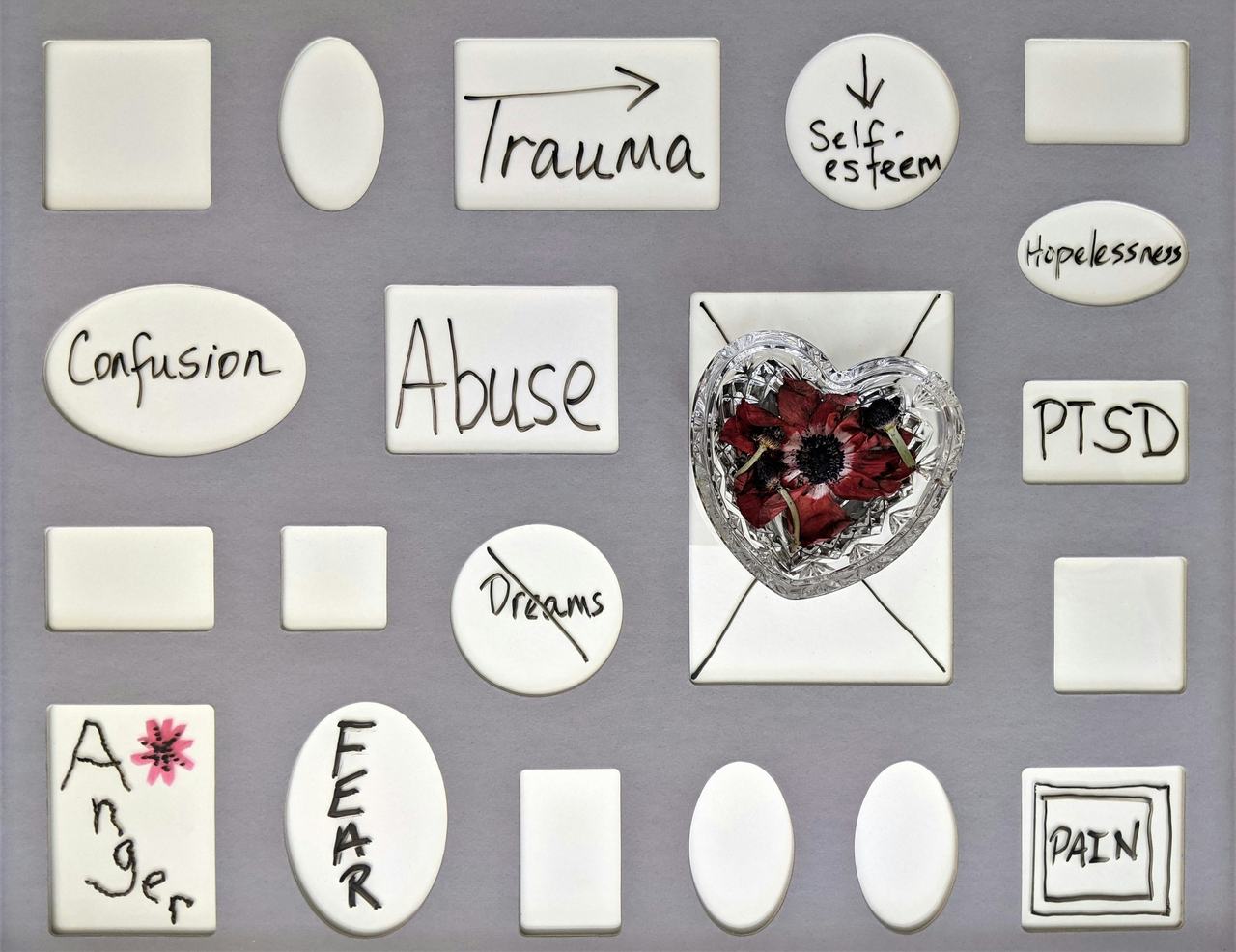
How is PTSD treated? Psychotherapy, medications and the role of a safe environment
What does PTSD treatment look like? Check what PTSD therapy involves (EMDR, TF‑CBT), when medications are used and how to support a person with PTSD. Article based on guidelines and meta-analyses.

How to recognize an approaching relapse in bipolar affective disorder — CHAD
Bipolar affective disorder is not just "ups and downs" but also carries the risk of relapse. See which early relapse signs are worth monitoring, how sleep hygiene and a mood diary help, and when to contact a psychiatrist. Informational…

Bipolar affective disorder – symptoms that distinguish it from "regular" depression
Which symptoms of bipolar affective disorder distinguish it from "regular" depression? See how bipolar disorder differs from depression and when it may be worth considering an online/offline psychiatric consultation.

Anxiety in students and young adults – when "exam stress" turns into an anxiety disorder
Anxiety in students and young adults is not just "exam stress". See when symptoms exceed the norm and it may be worth considering a psychiatric consultation instead of another "just pull yourself together". Informational content, does not…

ChAD and alcohol and substance misuse – why is this combination so common?
Bipolar disorder and alcohol and other substances – I explain why self‑medication and addiction are so easy in ChAD and what this means for treatment.

Breathing and the nervous system — how simple breathing techniques can support therapy for depression, anxiety and ADHD?
How does breathing affect the nervous system in depression, anxiety and ADHD? Learn simple breathing techniques for stress, anxiety and tension that can support treatment — without promises of miracles.

I can’t fall asleep, I wake up at 3:00 — common causes of sleep problems in busy adults
waking at 3 am, difficulty falling asleep, sleep disorders in adults, sleep problems in busy adults
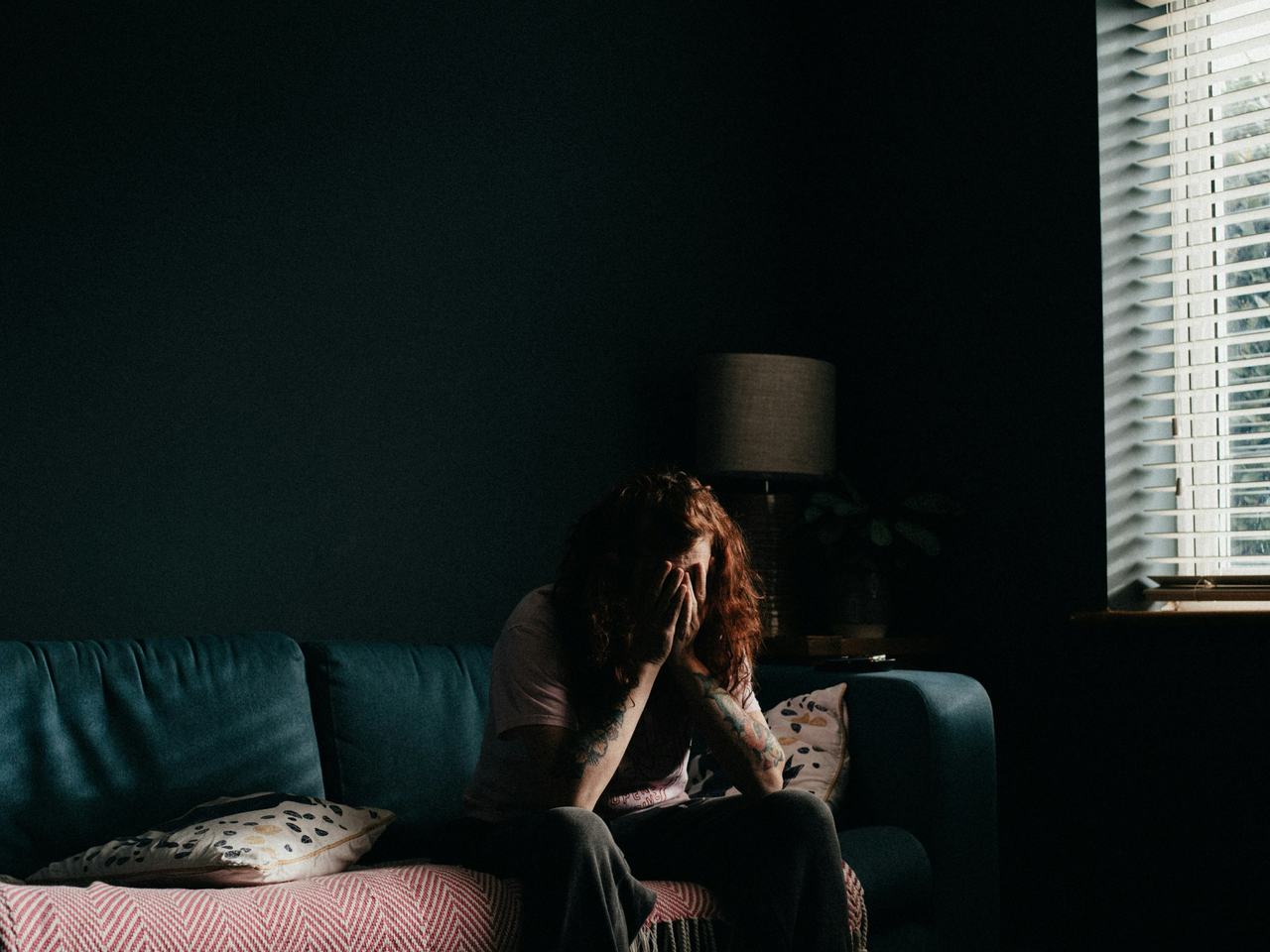
Why can’t the body “let go” after work?
Do you have trouble winding down after work and feel constant tension even though the day is already over? Find out why the body can’t “let go” after work and how to switch from action mode to rest.
Depression treatment – what the process looks like, what medication options exist and what really helps beyond pharmacotherapy?
Wondering how depression treatment via the internet works? See how an online psychiatric consultation proceeds, which antidepressant medications are used and what beyond pharmacotherapy can realistically support recovery.

How to exit alarm mode – a medical view on nervous system regulation for people in constant tension
Do you feel like your body is constantly in fight‑or‑flight mode? Learn what nervous system regulation is, how to get out of alarm mode with chronic stress and when to consider consulting a specialist.

Depression in entrepreneurs and leaders – what it looks like when everything seems fine from the outside
You run a company, people see success, but you feel emptiness and fatigue inside? Check how depression looks in entrepreneurs and leaders, when to consider a psychiatric consultation, and what can realistically help.

How to prepare for a consultation with an online psychiatrist – including if you’re thinking about L4
You’re thinking about a visit to an online psychiatrist and wondering if you’ll get L4? Check how to prepare for the consultation, what to say, and what the doctor might ask – without “phrases for sick leave”.

Online psychiatrist and medical sick leave (L4) – answers to the 7 most common questions
You wonder whether an online psychiatrist can issue L4, how long sick leave can last, and what the employer sees? Check answers to the 7 most common questions about L4 from an online psychiatrist.

Chronic stress and the nervous system – what really happens to your brain when you've been running on reserve for months?
Chronic stress and the nervous system – check what really happens to the brain and body when you've been running on reserve for a long time. Effects of long-term stress, simple explanations, a holistic approach without promises.

Can You Recover from Depression Without Medication? Facts, Myths and a Safe Holistic Approach
Can depression be treated without medication? Check what guidelines and meta-analyses say about psychotherapy, lifestyle and “natural” methods for treating depression. No promises — with respect for your history.

Pharmacological treatment of insomnia – when do sleeping pills help, and when do they cause more harm?
Do you have chronic sleep problems and are thinking about sleeping pills? I explain when medicines for insomnia can help adults, what side effects they have, and when it's worth looking for other solutions.
Anxiety disorders or just “nerves”? How to recognize when anxiety becomes an illness
Do you have constant anxiety and wonder if it is “just nerves” or already an anxiety disorder? I explain the symptoms of generalized anxiety and when it is worth considering psychiatric treatment.

Insomnia in depression — why sleep fails to restore and how to treat it to start recovering

Is this depression already? The difference between a low mood and a depressive episode in adults
You have a low mood and wonder whether this is already depression? I explain how a depressive episode differs from a “bad period” and when it’s worth seeing a psychiatrist.

Insomnia – when "worse sleep" becomes a disorder and requires psychiatric consultation?
Waking at night happens to everyone. I explain when insomnia in adults becomes a disorder, what its symptoms are and when it is worth considering a visit to a psychiatrist.

Generalized anxiety, ADHD, or burnout? How not to get lost
Do you have chronic worry, concentration problems and fatigue? I explain how to distinguish generalized anxiety disorder, adult ADHD and occupational burnout — based on guidelines, not myths.

High-functioning depression: when perfectionism becomes a mask of illness
Do you feel like you "have it together" while everything inside is falling apart? I explain what high-functioning depression is, how perfectionism can hide the illness, and when to seek help — based on current guidelines.

Sleep hygiene for very busy adults – small changes that realistically support brain regeneration
How to improve sleep when your schedule is tight? Learn sleep hygiene tailored for busy adults — small, realistic-to-implement changes that support brain regeneration during sleep.

Panic attack – what happens in the brain and body, how to stop it and when to see a psychiatrist?
Do you have sudden heart palpitations, shortness of breath and fear that you will die? Learn what a panic attack is, what the symptoms are, what to do during an anxiety attack and when panic attacks require psychiatric treatment.

Treatment of anxiety disorders – medication, therapy, breathing and body‑work
Wondering what treatment for anxiety disorders looks like in adults? Check when anti‑anxiety medications come into play, how anxiety therapy works, and what role breathing techniques and body‑work have.

Depression vs chronic stress and burnout — how to tell these states apart and when is a psychiatric consultation necessary?
Wondering whether you have depression or occupational burnout? Check how chronic stress differs from depression, what burnout symptoms are and when a psychiatric consultation is necessary.

Diet for stress – what to eat to support the nervous system?
How does diet affect depression and nervous system regulation? Learn the dietary elements that can support depression treatment (alongside medications and therapy) and what to watch out for when experimenting on your own. Educational…

Diet in depression – how nutrition can support treatment and nervous system regulation
How does diet affect depression and nervous system regulation? Learn the dietary elements that can support depression treatment (alongside medications and therapy) and what to watch out for when experimenting on your own. Article

What does a psychiatric consultation look like?
What does the first psychiatric consultation look like? How does a psychiatric teleconsultation and an e‑visit with a psychiatrist proceed? A step‑by‑step guide in a holistic spirit.

Treatment of occupational burnout – where to seek help?
How to recognise occupational burnout and where to seek help in Łódź and online? Burnout treatment, stress therapy, psychiatric and psychological support in a holistic approach.

Somatic symptoms of stress – when the body speaks for the mind
Somatic symptoms of stress, pain, palpitations, gut problems – when does the body speak for the mind? How to understand stress and its physical symptoms from a holistic perspective.

The role of the body in the healing process
Body and mind form a single system. How does the role of the body in healing affect therapy outcomes? Why body therapy and working with the body are important in the treatment of mental disorders.

Why does the body remember trauma? Somatics of trauma and the nervous system
How is trauma recorded in the body and the nervous system? What is somatics of trauma, why does the body "remember" more than the mind and what does this mean for mental health.

Sleep as a foundation of mental health
Sleep is one of the main foundations of stable mental health – disturbed sleep increases the risk of depression and anxiety, and improving sleep quality clearly reduces symptom severity.

Why without lifestyle change mental health often does not stabilize?
Why does treating symptoms alone often not suffice for mental health to stabilize? How lifestyle, sleep, exercise and habits affect relapses and the recovery process in a holistic approach.

How to regain mental energy after prolonged stress?
Mental fatigue after prolonged stress does not go away after a single weekend. See step by step how to support psychological and nervous system regeneration with a holistic approach.

Why do ambitious people burn out more often?
Why do ambitious people and perfectionists more often experience burnout? See how high demands, chronic stress and lifestyle affect the nervous system and mental health.

Chronic stress – how does it affect the body and mind?
Chronic stress affects the body, the psyche and the nervous system. Learn the symptoms of chronic stress, its consequences and the role of a holistic approach and online psychiatry in Poland.

Occupational burnout – symptoms that are often not visible
Occupational burnout is not just fatigue from work. Learn the hidden symptoms of burnout that are often the first sign of nervous system overload.
Why lifestyle affects mental health
How does lifestyle affect mental health, depression, anxiety and burnout? See which habits support the nervous system and which increase the risk of mental problems. Holistic psychiatry online.

Can depression be treated comprehensively?
Can depression be treated holistically rather than only “for symptoms”? Learn what comprehensive depression treatment involves: integrative psychiatry, psychotherapy and body‑work in an online model.

Integrative and holistic psychiatry – how it differs from classical psychiatry
What is integrative and holistic psychiatry? See how modern psychiatric treatment combines pharmacotherapy and nervous system regulation.

Why rapid medication withdrawal can be dangerous
Can medications be stopped abruptly? What is the risk of stopping antidepressants “overnight” and why rapid medication withdrawal can be dangerous. An educational article in the spirit of integrative psychiatry about safer tapering of…
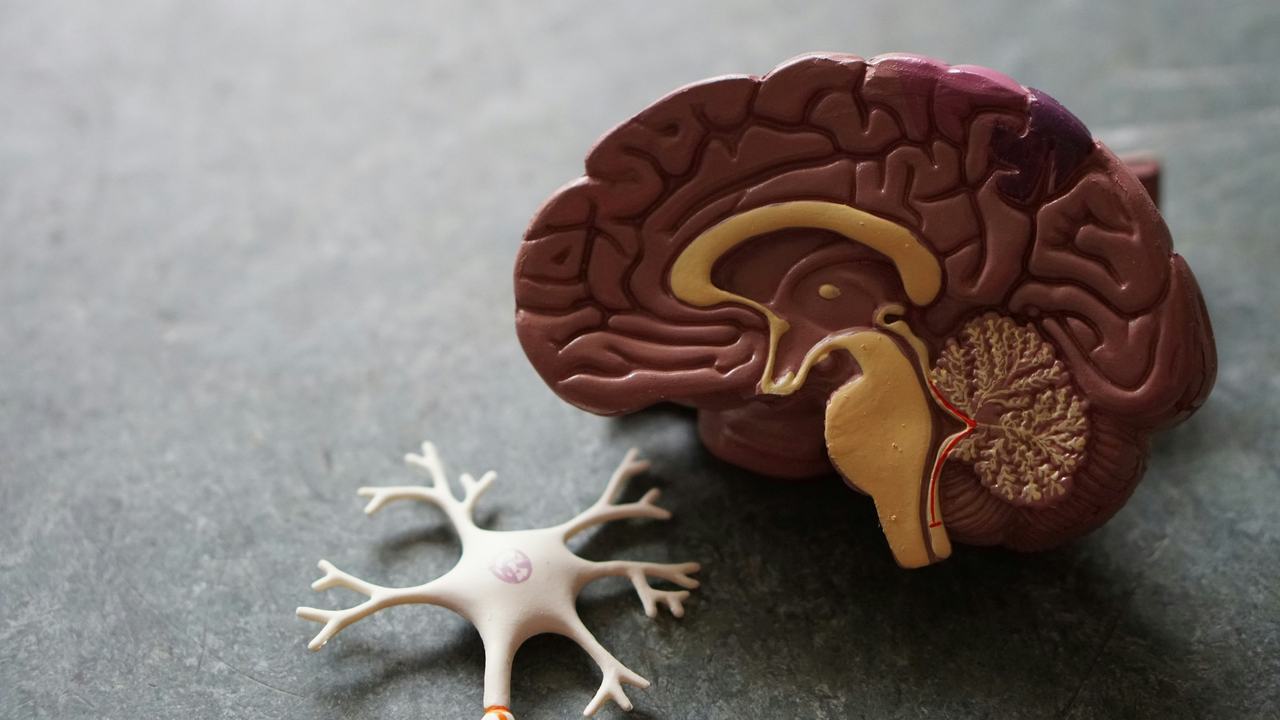
How to prepare the body for tapering psychiatric medications
How to prepare the body for withdrawing psychiatric medications? Where to start if you plan to reduce antidepressants and other drugs – sleep, nervous system regulation, support during medication reduction. An educational article on how to…

When does medication reduction make sense? How to approach reducing psychiatric medications
When does medication reduction make sense, and when is it better to wait? What to consider when deciding to stop antidepressants and reduce psychiatric medications. An educational article on how to talk with your doctor about changes in…

SSRI discontinuation syndrome — why this topic matters so much
What is SSRI discontinuation syndrome, when do withdrawal symptoms appear and how to distinguish them from relapse of depression or anxiety. Check what to take care of when stopping antidepressants and when to book an online psychiatric…

Withdrawal symptoms after antidepressants. What to know before stopping medications
What are withdrawal symptoms after antidepressants? What is SSRI discontinuation syndrome, when do symptoms appear after stopping medications and how to discuss this with your psychiatrist.

Why understanding problems alone isn't enough?
Understanding problems alone isn't enough to get out of a crisis. A holistic psychiatrist from Łódź explains what truly heals and how to get moving in therapy.

Why doesn't rest help when the nervous system is overloaded?
Why doesn't rest help when the nervous system is overloaded? How to recognize nervous system fatigue and begin true regeneration, not just “lying down”.

Why does the body remain in threat mode even after the stress has passed?
Why does the body remain in threat mode? The nervous system in alarm during chronic stress — how it works, what it does, and what can be done about it.

Why does chronic stress change the brain? Neurobiology of chronic stress
How does stress affect the brain? Chronic stress shrinks the hippocampus, weakens the prefrontal cortex, and enlarges the amygdala. Changes can be reversible — how?