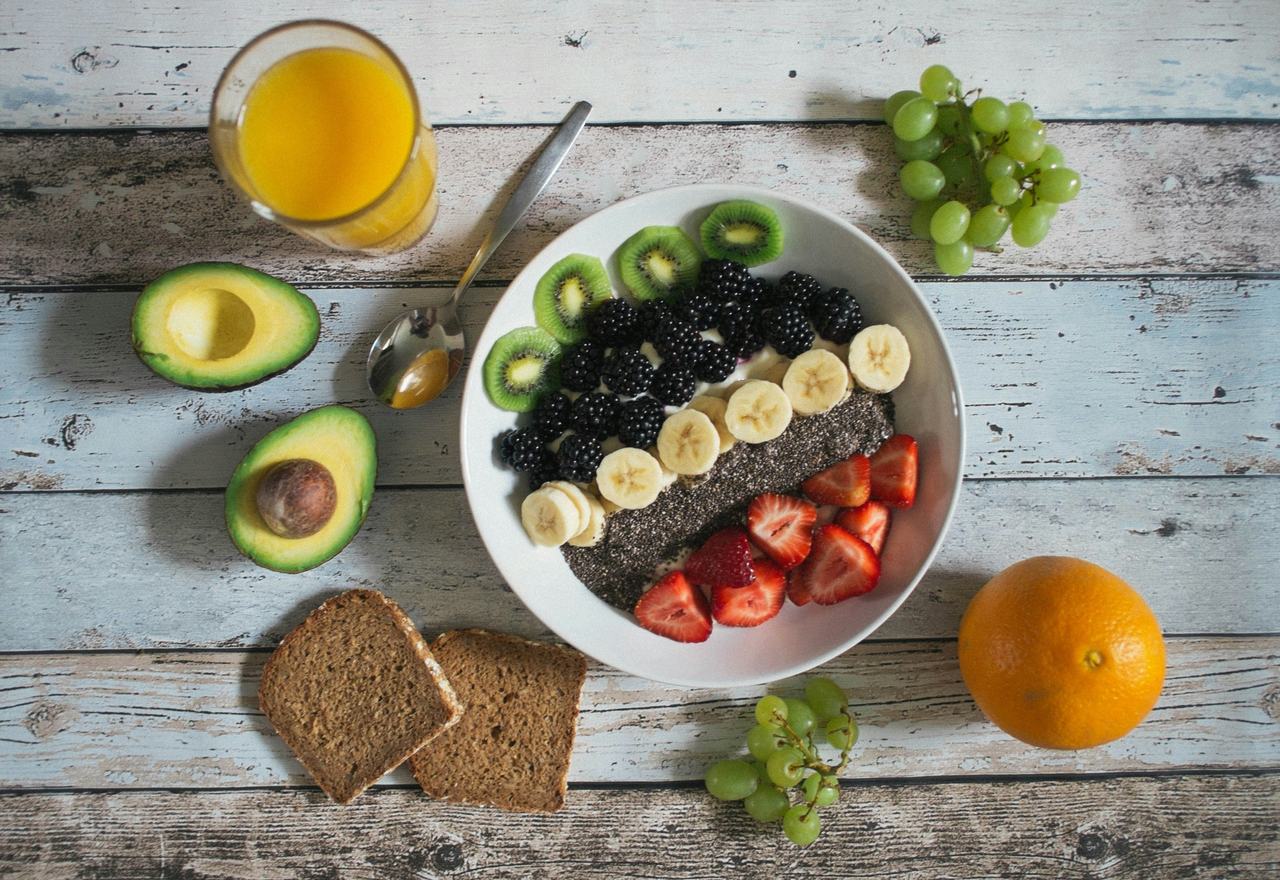
What is a “diet in depression” anyway?
The diet in depression is not a “miracle meal plan” that will “cure” you of a depressive episode. It is rather an eating pattern that:
provides the brain and nervous system with building blocks (fats, amino acids, micronutrients),
stabilizes blood glucose (which translates into energy and mood swings),
supports the gut–brain axis (microbiota, inflammation, immunity).
In practice this usually means a shift in the overall eating style rather than “adding one superfood”. A well‑planned diet in depression can complement treatment led by a physician (e.g. in the model: psychiatrist online, psychiatric consultation online), but it is not a standalone therapy.
Which dietary elements support depression treatment?
Research suggests that whole dietary patterns, not single foods, are most promising. Most often people refer to:
The Mediterranean diet – plenty of vegetables, fruits, whole grains, legumes, nuts, olive oil, marine fish, and little highly processed food.
So‑called anti‑inflammatory diets – reducing products that increase inflammation (excess simple sugars, fast food, trans fats) in favor of minimally processed foods.
Elements that matter in practice:
Omega‑3 fatty acids (DHA, EPA)
Marine fish (salmon, mackerel, herring, sardines), flaxseed, chia seeds, walnuts.
– support neuronal cell membranes, modulate inflammation, and participate in neurotransmitter regulation.Whole grains
Wholegrain bread, groats, brown rice, oats.
– help stabilize blood glucose, reducing “energy crashes” and sudden mood fluctuations.High‑quality protein
Fish, eggs, legumes, quality dairy, meat in reasonable amounts.
– provide amino acids that are the “building blocks” for neurotransmitters (e.g. serotonin, dopamine).Vegetables and fruits
At least several portions daily, especially vegetables (including leafy greens).
– source of antioxidants, B vitamins, folates – all affecting brain metabolism.Fermented foods and fiber
Fermented vegetables, yogurts, kefir, buttermilk (if tolerated), vegetables, fruits, whole grains.
– support the gut microbiota, which is involved in mood regulation and stress response.
What to avoid or limit?
In depression emotional eating episodes often appear, reaching for sweets or fast food as a form of self‑regulation. From the nervous system perspective this is understandable, but in the long term it can worsen wellbeing.
Pay particular attention to:
Excess simple sugars (sweets, sugary drinks, large amounts of white bread) – they cause rapid blood glucose spikes and drops, which can intensify energy and mood swings.
Highly processed food (fast food, snack foods like chips, salty sticks, instant meals) – these often combine lots of sugar, salt and unhealthy fats.
Large amounts of alcohol – alcohol acts depressively on the nervous system, worsens sleep and can interact with antidepressant medications.
Random “miracle” diets from the internet – sudden calorie restriction or elimination of many food groups without medical indication can worsen mental state, cause deficiencies and increase anxiety and mood symptoms.
Diet in depression and antidepressant medications
If you are taking antidepressants or other psychiatric medications, the diet should not be changed “overnight” in a radical way – especially without discussing it with the prescribing physician or a dietitian familiar with your medical record.
Some important safety points:
some medications can affect appetite, body weight and cravings – sudden restrictive diets can increase discomfort and risk of symptom recurrence;
depression often reduces motivation and energy – an overly complicated eating plan is unsustainable and becomes another source of guilt;
when other diseases coexist (e.g. diabetes, hypertension, gastrointestinal diseases) the diet should take all conditions into account, not only depression.
The diet in depression should support the treatment you are undertaking with your doctor (e.g. in the form: psychiatrist online, psychiatric consultation online, psychiatric teleconsultation), not compete with pharmacotherapy or psychotherapy.
How to implement changes in practice when "I have no energy for anything"?
Depression often means extremely limited energy. That is why a micro‑steps approach is key, not a revolution:
instead of changing the whole menu – add one sensible element (e.g. one extra portion of vegetables daily, one portion of fish per week);
swap selected products, not everything (e.g. replace some white bread with wholegrain, replace some sugary drinks with water or unsweetened tea);
use simple solutions: frozen vegetables, ready salad mixes, hummus, eggs, porridge – so you rely on logistics rather than willpower;
treat food as a form of gentle care for a body dealing with depression, not as another “project to perfect”.
If you are undergoing depression treatment with a physician, it is worth saying openly at the consultation (also as a televisit with a psychiatrist / e‑visit with a psychiatrist) what you can realistically introduce and at what pace.
Can diet alone “cure” depression?
No.
Diet, sleep, movement, nervous system regulation, meditation or yoga can significantly support mood and treatment effects, but in depression – especially moderate and severe cases – they do not replace professional help.
In a holistic approach the aim is that:
pharmacotherapy (if needed),
psychotherapy or other forms of therapy,
regulation of sleep, stress and daily rhythm,
diet and work with the body
form a coherent plan tailored to your situation and capabilities. For many people a convenient way to design such a plan is a psychiatric consultation online or a psychiatric teleconsultation – especially when traveling to a clinic is difficult, you live outside a big city, or simply have limited energy resources.
Selected sources
Parletta N, Zarnowiecki D, Cho J et al. A Mediterranean-style dietary intervention supplemented with fish oil improves diet quality and mental health in people with depression. Nutritional Neuroscience.
Firth J, Marx W, Dash S et al. The effects of dietary improvement on symptoms of depression and anxiety: a meta-analysis of randomized controlled trials. Psychosomatic Medicine.
Lassale C, Batty GD, Baghdadli A et al. Healthy dietary indices and risk of depressive outcomes: a systematic review and meta-analysis of observational studies. Molecular Psychiatry.
Opinion and educational materials from Polish centers involved in nutritional psychiatry and dietary recommendations in depression (patient information materials).
Information in this article is general and educational in nature.
It does not constitute medical advice or an individual diagnostic or therapeutic recommendation.
Decisions about starting, continuing or changing treatment, including modification of antidepressant doses, should be made only after consultation with a physician, taking into account the full clinical picture of the patient.