
The future of psychiatry: AI and assisted psychedelics — what do we really know?
Imagine you have gone through several treatment attempts. You have tried different medications, maybe psychotherapy episodes, a few “resets” with vacations that helped for a while.
Meanwhile you increasingly see headlines in the media:
“Artificial intelligence diagnoses depression better than a doctor”,
“Psychedelics — a breakthrough in treating trauma and depression”,
“The end of classical psychiatry?”.
And you may wonder:
whether this is a future that will actually change your life,
or another wave of promises that later have to be accounted for in the clinic when the effect is less spectacular than on the cover.
In this article I will not promote anything.
I simply want to explain in plain language:
what we know today about AI in psychiatry,
what research says about psychotherapy‑assisted psychedelics,
what the limitations, risks and unanswered questions are,
where in all this there remains a place for you — a human being with flesh, bones and a very real life.
AI in psychiatry — more than a “robot doctor”
What does “artificial intelligence in psychiatry” actually mean?
When you hear “AI in psychiatry”, you may imagine either a black picture (a robot instead of a doctor) or a very colorful one (“an algorithm will solve everything”).
In practice AI in healthcare — and in psychiatry — most often means:
systems to support diagnostics (e.g. analysis of large datasets, scales, medical notes),
tools for monitoring symptoms between visits (apps, chats, “digital phenotyping” solutions — tracking sleep patterns, activity, phone use),
support in personalizing treatment (attempts to predict which approach is more likely to be effective for a given person),
assistants for clinicians — organizing documentation, reminding about tests, safety alerts.
These are still tools, not autonomous “psychiatrist‑robots”.
What do studies say? Potential and limitations
Reviews and meta‑analyses on AI in psychiatry highlight several strong themes:
AI can detect patterns in data (e.g. in language, activity, EEG or fMRI recordings) that humans do not notice — and on that basis support risk recognition for depression, anxiety disorders or relapse.
Some algorithms achieve promising results in pilot studies (e.g. recognizing depression from voice, text, activity), but require validation in the real world, across diverse populations, accounting for errors and biases.
AI can reduce system burden (e.g. automated reminders, preliminary screenings), but does not replace clinical assessment, especially in complex, multi‑symptom cases.
In short: the potential is large, but these are still assistive tools that must operate within a system with a human responsible for decisions.
Psychedelics assisted by psychotherapy — what is this about?
What are psychedelics in the medical context?
The word “psychedelics” evokes associations with the 1960s, “trips” and club culture. In psychiatry and clinical research we talk about specific substances, doses, protocols and safety procedures.
The most commonly studied substances include e.g.:
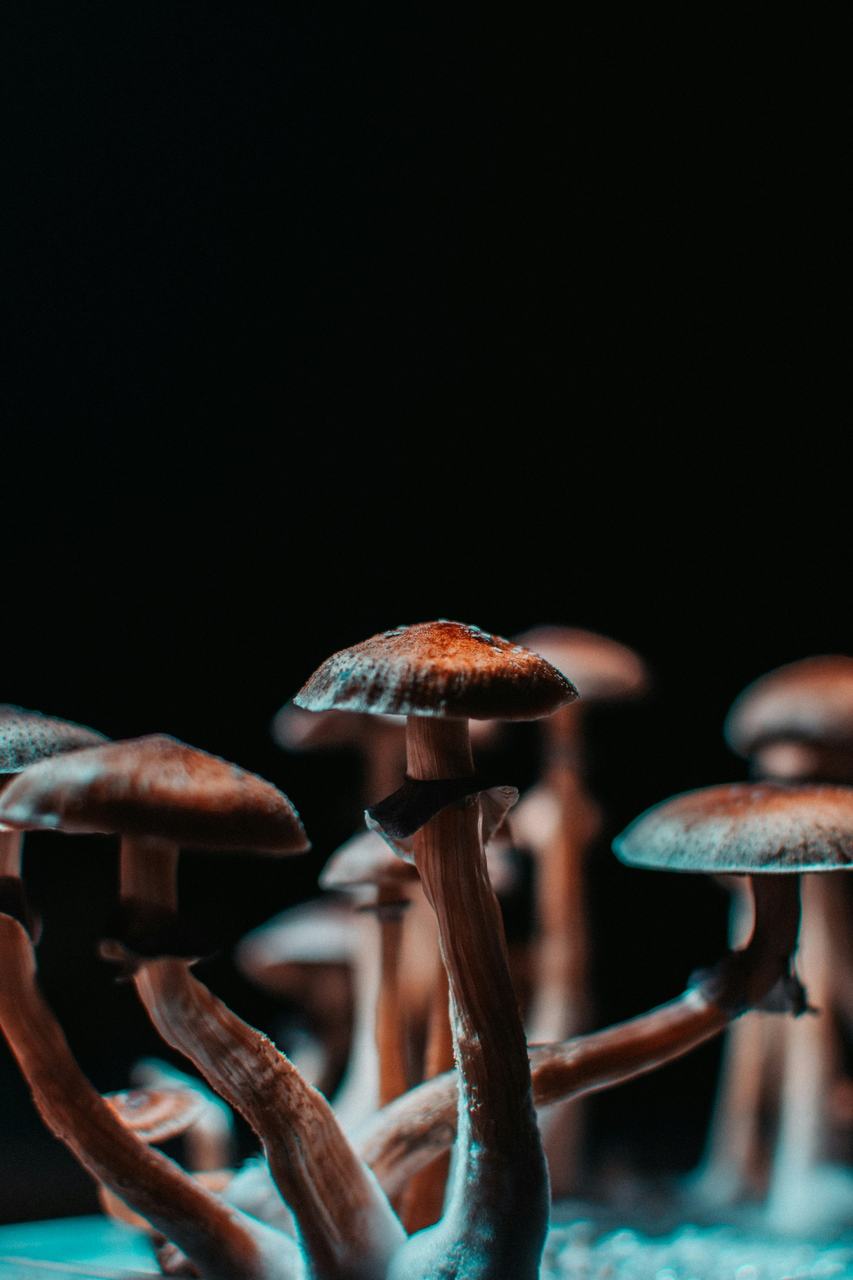
psilocybin — a compound found naturally in certain mushrooms, studied for treatment‑resistant depression, existential anxiety in terminal illness,
MDMA — a compound with empathogenic effects (often confused with street “ecstasy”, which can be a mix of substances), studied in MDMA‑assisted therapy for post‑traumatic stress disorder (PTSD),
other compounds (e.g. LSD, ketamine / esketamine) — in strictly controlled clinical trial settings.
Important: we are talking about clinical trials and potential therapies in medical settings, not about self‑experimentation or recreational use.
What do existing studies on psychedelics show?
In recent years several important studies and reviews have been published suggesting that:
psilocybin‑assisted therapy can produce significant reductions in depressive symptoms in some patients with treatment‑resistant depression under controlled conditions, with intensive psychotherapeutic care before and after sessions,
MDMA‑assisted therapy can help reduce PTSD symptom severity in people who have not responded adequately to other treatments,
in both cases therapeutic integration is crucial — the substances are not a “treatment” on their own but rather support the therapeutic process.
At the same time studies emphasize:
these are not “first‑line” solutions,
not every patient is suitable for such treatment (there are contraindications, e.g. some psychotic disorders, certain somatic conditions),
further meta‑analyses, longer follow‑ups and very strict oversight are needed for implementing such methods where they become available.
Law, safety and limits: what must be said plainly
In Poland — and many other countries — psychedelics are not currently standard psychiatric treatments. Some of these substances remain illegal outside tightly defined clinical trials.
This means that:
self‑treatment with psychedelics is not only potentially dangerous (health and psychological risks) but also illegal,
decisions about potentially including such methods in the future belong to regulators, ethics committees, ongoing research, and then guidelines based on meta‑analyses and expert consensus,
currently the clinician’s main task is to provide accurate information, harm‑reduction advice, treat according to current guidelines and — if a patient asks about psychedelics — explain what is fact and what is promise beyond the evidence.
I do not encourage using any substances outside medical and legal supervision.
AI + psychedelics + the human — is this truly “the future of psychiatry”?
It is easy to fall for the narrative that soon:
AI will “autonomously” diagnose and choose treatment,
psychedelics will “solve” depression and trauma in one or two sessions,
classical psychiatry will become obsolete.
Looking more soberly, a different picture emerges:
AI can help organize and interpret data, but someone still needs to listen to you, see the context (work, family, body, history) and make decisions together with you.
Psychedelics assisted by therapy may — in the future, where research confirms and law allows — become an additional option for some people for whom standard treatment did not work.
The biopsychosocial model remains the foundation: whatever new is added to it (AI, new drugs, psychedelics), we still talk about a person living in a specific body, relationships and world.
The future of psychiatry will probably not be “AI instead of humans” nor “psychedelics instead of everything else”.
Rather: more tools that can — cautiously and responsibly — be woven into a comprehensive, individualized process.
What might this mean for you — today?
Perhaps all this sounds very “tomorrowish” to you. But even today:
you may come across apps promising a “diagnosis in 5 minutes” — treat them as assistive tools, not substitutes for a full consultation,
you may see ads, posts, podcasts promising “breakthrough psychedelic effects” — here it is important to be cautious and distinguish clinical research from marketing or uncontrolled “session” reports,
you may feel pressure that since “there are so many new things”, if they don’t help you then “there is something wrong with you” — and that is very unfair to you.
Your history is yours.
New technologies and potential therapies may one day join the range of options — but they do not invalidate what we know today: that sensible treatment, a safe relationship with a clinician/therapist, and work on everyday life matter more than chasing trends.
FAQ — AI and psychedelics in the future of psychiatry
Will AI replace psychiatrists?
To date the data point more to a support role: analyzing large datasets, monitoring symptoms, helping organize work. Clinical decisions still belong to humans — and there is no sign this will change soon.
Are psychedelics already an “established” treatment for depression or PTSD?
Advanced studies on psilocybin (treatment‑resistant depression) and MDMA‑assisted therapy (PTSD) are ongoing, but this remains mainly a clinical research area. Standard treatments remain those described in guidelines (medications, psychotherapy, lifestyle interventions).
Is self‑experimenting with psychedelics a form of “self‑treatment”?
No. Self‑administration of substances, especially outside medical control and where illegal, carries real health and legal risks and is not a form of treatment.
Can AI “understand me better” than a doctor?
Algorithms can notice patterns in data, but they do not know your history, relationships or values. In practice the best outcomes come from a combination: human + tools that help organize information, not replace conversation.
Selected sources
Reviews and reports on applications of artificial intelligence in psychiatry and medicine (including systems supporting diagnostics, symptom monitoring and personalization of treatment).
Studies and meta‑analyses on psilocybin‑assisted therapy in treatment‑resistant depression and MDMA in PTSD, published in peer‑reviewed medical journals.
Guidelines and position statements from psychiatric societies and regulators on introducing new therapies, including safety requirements and legal frameworks.
Works on the biopsychosocial model in psychiatry — as context for integrating new tools (AI, new substances) into a comprehensive treatment plan.
This article is for informational purposes and does not replace an individual medical consultation.
If you are considering treatment (classic or interested in new directions), you may consider a psychiatric consultation — online or in person.