
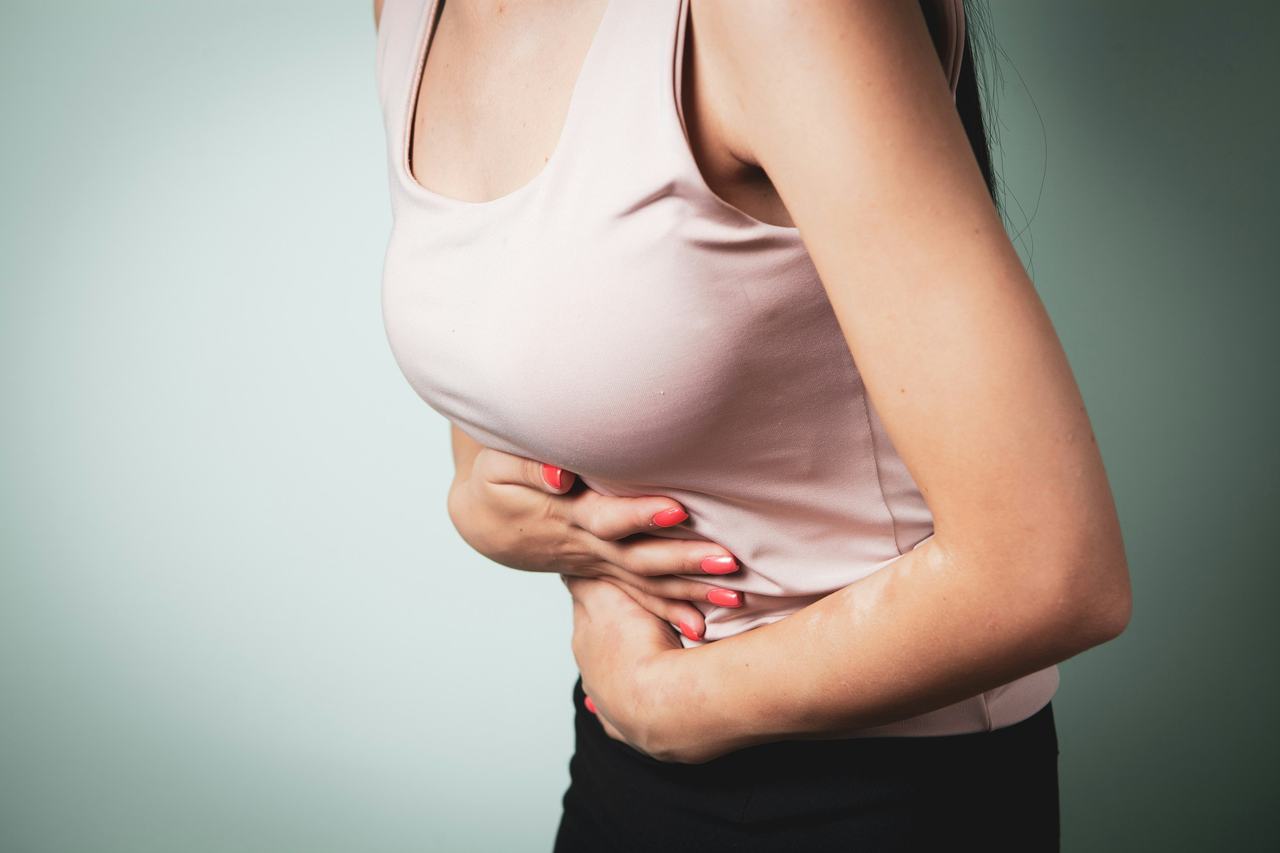
The nervous system and the gut – the gut–brain axis in the clinical practice of a patient with anxiety and depression
I see the person as a whole — and that is how I treat them.
If you have a diagnosis of anxiety or depression and at the same time live with stomach pain, diarrhea, constipation or a constant “tightness in the stomach”, you may feel that your body and mind are working against you. The gut–brain axis is the way medicine tries to describe what you have felt for a long time: that the gut and mood are really connected.
The gut and mental health – why does a psychiatrist ask about the stomach?
In the psychiatric office we often start with questions about mood, sleep, energy, anxiety, but sooner or later the topic of the gut appears: diarrhea, constipation, bloating, pain, irritable bowel syndrome. For many people this is surprising – “I came for depression, not to a gastroenterologist”.
Meanwhile, your digestive system and your nervous system are constantly talking to each other. When you are stressed, the gut reacts; when the gut is chronically dysregulated, the brain receives different signals. That does not mean that “depression is in the gut”, but that the gut is one piece of the puzzle.
Gut–brain axis – what is it in plain language?
You can imagine the gut–brain axis like a telephone line between the gut and the brain. Along that line signals travel:
via the vagus nerve (like a “nerve bus” between the gut and the brain),
through hormones and neurotransmitters,
through the immune system and substances related to inflammation.
Billions of bacteria live in the gut – the microbiota. They help digest food, produce various substances, influence the immune system and thus indirectly reach the brain. The brain, in turn, during stress changes gut function – speeding up or slowing down peristalsis, affecting secretion of digestive juices, increasing or decreasing pain sensitivity.
In practice: when you experience intense stress, diarrhea, cramps and abdominal pain easily occur. And when the gut is in constant tension and imbalance, this can increase your vulnerability to low mood and anxiety.
Gut–brain axis and depression – what does the research say?
Research on the gut–brain axis in depression is not an internet fairy tale but a normal, developing field of science. In short, it shows that:
the composition of the gut microbiota in some people with depression differs from that in people without depressive episodes,
some patients with depression show reduced microbiome diversity and changes in bacteria that produce important metabolites,
changes in the microbiota can affect the immune system, inflammation and the production of substances that act on the brain.
This does not mean that every depression “starts in the gut”. Rather: that for some people the gut and microbiome are one of the factors that may contribute to the biological background of depression — alongside genes, hormones, life experiences, stress and trauma.
In experimental studies (e.g.. in animals) it has been shown that transferring microbiota from a person with depression can induce behavior changes in animals towards lowered mood. This suggests that the microbiome can be one of the “cables” connecting the body with mood. Again — one of several, not the only one.
The gut and anxiety – why do you feel “nerves” in your stomach?
In anxiety the gut is often the first to react:
a knot in the stomach before a presentation,
sudden diarrhea before an exam,
nausea when you have a “difficult conversation at work”,
constant churning in the bowels during chronic stress.
This is not accidental. The enteric nervous system (the so‑called “second brain”) reacts to signals from the brain. Stress activates the sympathetic system (“fight or flight”) – the heart beats faster, muscles tense, the gut changes its pace. If this state continues, the gut can remain in permanent tension, and you may live between the toilet and the bed.
Research on the gut–brain axis in anxiety disorders suggests that dysbiosis (disrupted microbiota balance) can increase stress reactivity. Chronic stress, in turn, can dysregulate the microbiota. A vicious circle forms: stress – gut – even more stress.
Microbiome and mood – what makes sense and what is marketing?
You increasingly hear buzzwords: “psychobiotics”, “probiotics for depression”, “fix your gut and your head will sort itself out”. As a physician I cannot repeat that in such terms — it would be dishonest.
What research shows, without magic
A diet based on fresh foods, rich in vegetables, fruits, whole grains, legumes and healthy fats (e.g. similar to the Mediterranean diet) is associated with a reduced risk of depression and overall better health.
Such a diet promotes greater microbiota diversity — which is one of the markers of a “healthy” microbiome.
Some studies on probiotics (so‑called psychobiotics) show that certain strains may gently help reduce symptoms of anxiety or low mood — but usually as an adjunct to standard treatment, not as a replacement.
What not to promise honestly
That a particular probiotic capsule will “cure depression” or “replace medications”.
That one “miracle diet” will solve all emotional problems.
That simply “fixing the gut” will stop anxiety or depression.
The gut–brain axis is important, but it does not replace psychotherapy, pharmacotherapy or work on lifestyle. It may be one of the areas that support treatment — if a given patient is ready and has the resources to address it.
How to link this with diet in depression – more in your existing post
If you want practical “what to eat” advice to support both gut and mood, I will not repeat the whole guide here. In a separate post on diet in depression I discuss:
why meal regularity matters,
which foods support a more stable mood,
how to make changes gradually, without feeling like a failure after every “slip”.
Consider this text on the gut–brain axis as background: it explains why diet has anything to do with mood and anxiety at all, but does not replace a specific nutritional plan that you describe more broadly in your existing article.
What can you do if you have anxiety, depression and a “dysregulated” gut?
From a holistic, evidence‑based perspective, you can:
Not blame yourself. That your gut reacts to stress does not mean you are “overreacting” or that “it’s all in your head”. Your body really works that way.
Talk to a doctor about both sides: both psychological and gut symptoms. Sometimes collaboration between a psychiatrist and a gastroenterologist is needed.
Gradually modify your diet, if you have the space to do so — towards more natural, less processed foods, with more fiber and fermented products.
Take care of the basics: sleep, movement appropriate to your abilities, breaks during the day, reducing chronic stress where realistic.
Do not stop medications or therapy on your own hoping that “a psychobiotic will fix it” — this can be dangerous.
When to consider a consultation?
Consider a consultation (psychiatric, psychological, and sometimes gastroenterological) if:
symptoms of anxiety and depression interfere with your daily functioning,
the gut seems to “live its own life” – diarrhea, constipation, pain, bloating – and tests are concerning or, conversely, “everything looks fine” yet you suffer,
you feel stuck in a loop: stress → gut → even more stress,
you have been trying to regulate mood with diet and supplements on your own, but effects are short‑lived or absent.
A consultation is not an immediate sentence or a prescription. It is a conversation about what is happening in your mind and body with someone who has the tools to arrange it and propose concrete steps.
Ethical, gentle CTA:
If you feel that the description of the gut–brain axis and the influence of the gut on anxiety and depression matches your experience, you may consider an online or in‑person consultation. It is one way to see yourself holistically — with room for both psyche and body.
FAQ – gut–brain axis depression
Will fixing the gut make depression disappear?
There is no evidence that improving gut function alone will “cure” depression. The gut–brain axis is one element of the system, and depression usually results from multiple factors at once. Changes in diet and lifestyle can support treatment, but do not replace psychotherapy or pharmacotherapy.
Do probiotics treat anxiety?
Some studies suggest that so‑called psychobiotics (specific probiotic strains) may gently support reduction of anxiety and low mood symptoms. For now we treat them rather as a potential adjunct to treatment rather than a stand‑alone therapy. It is always worth consulting a physician about supplementation.
How can the gut affect mood?
The gut communicates with the brain e.g.. via the vagus nerve, hormones, the immune system and substances produced by gut bacteria. When the microbiota is imbalanced, this can affect inflammation, the production of certain mood‑related substances and, consequently, wellbeing.
Does a diet for depression have to be perfect?
No. The goal is not an “ideal diet” but gradual building of habits that support your body and nervous system. Small, realistic changes (e.g. adding vegetables, limiting highly processed food, regular meal times) make more sense than restrictive plans that are impossible to maintain.
Does every case of irritable bowel syndrome mean psychological problems?
No. Irritable bowel syndrome has various causes and mechanisms. In some people gut symptoms co‑occur with anxiety or depression; in others gastroenterological factors predominate. It is worth looking at both gut and psyche rather than assuming a single explanation for everyone.
SOURCES
Foster JA, McVey Neufeld KA. Gut–brain axis: How the microbiome influences anxiety and depression. Trends in Neurosciences. 2013;36(5): 305–312.
Dinan TG, Cryan JF. The impact of gut microbiota on brain and behaviour: Implications for psychiatry. Current Opinion in Clinical Nutrition and Metabolic Care. 2015;18(6): 552–558.
Sanada K, Nakajima S, Kurokawa S, et al. Gut microbiota and major depressive disorder: A systematic review and meta-analysis. Journal of Affective Disorders. 2020;266: 1–13.
Sarkar A, Lehto SM, Harty S, Dinan TG, Cryan JF, Burnet PWJ. Psychobiotics and the manipulation of bacteria–gut–brain signals. Trends in Neurosciences. 2016;39(11): 763–781.
Jiang H, Ling Z, Zhang Y, et al. Altered fecal microbiota composition in patients with major depressive disorder. Brain, Behavior, and Immunity. 2015;48: 186–194.
Kelly JR, Borre Y, O’ Brien C, et al. Transferring the blues: Depression-associated gut microbiota induces neurobehavioural changes in the rat. Journal of Psychiatric Research. 2016;82: 109–118.


