
Why do so many people over 30 suddenly “see ADHD in themselves”?
For years ADHD was associated with a “hyperactive boy in primary school”. Today we know that in adults it looks different: less running around the classroom, more chaos in the head, difficulty finishing tasks, perpetual procrastination.
Added to that are:
work in an environment of constant stimulation (emails, Slack, social media),
high pace of life,
pressure to “manage everything at once”.
No wonder many people search Google for: “ADHD diagnosis in adults”, “do I have ADHD test”, “ADHD online visit”. Some truly have ADHD. Others have different difficulties that simply need naming and organizing.
9 signals that it’s worth thinking about an ADHD diagnosis in adults
This is not a checklist for self‑diagnosis. It’s more a list to ask: “should I talk about this with a psychiatrist?” – including if you’re considering a ADHD psychiatrist online. The evidence that the areas below often co‑occur with ADHD is solid.
1. Since childhood you heard: “smart but not living up to potential”
At school: good grades but everything “last minute”, notes for talking in class, messy notebooks, losing things, forgetting tests.
If this echoes in adulthood (“if I apply myself I do great, but I rarely apply myself”) – it’s worth looking into.
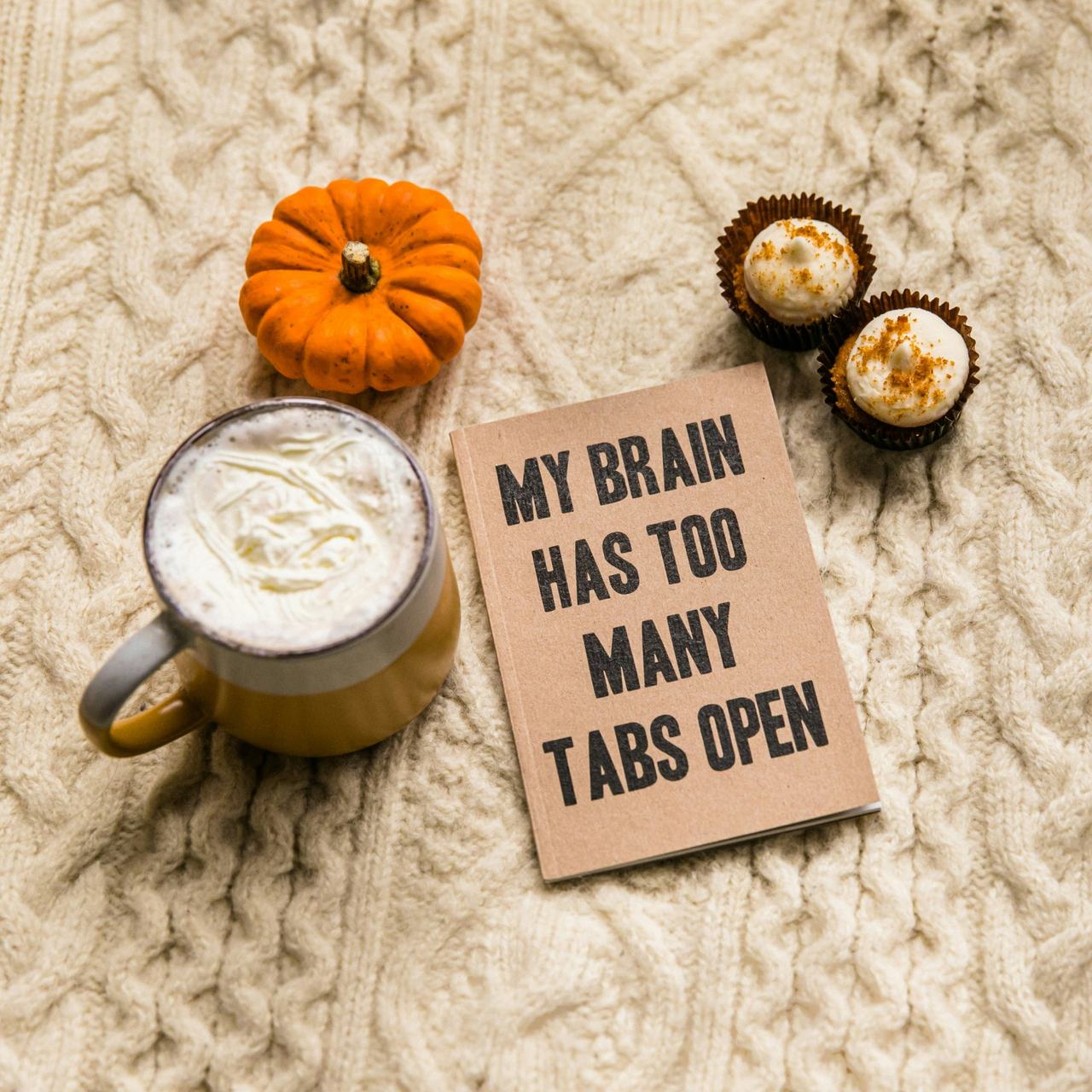
2. Your brain feels like thirty open tabs in a browser
You start one task, another comes to mind, you reply to a message along the way, then you don’t remember what you started with.
This isn’t “laziness”. For some people it’s a typical feature of neurodevelopmental ADHD.
3. You have a real allergy to boring things
A report at work, a form for the office, a long email – suddenly everything else becomes more urgent. Your brain wakes up only for “interesting” things and the rest requires heroic effort.
Research describes this as difficulty sustaining attention on monotonous tasks – very characteristic of ADHD.
4. Procrastination costs you relationships, money or health
We’re not talking about “sometimes I postpone”. We mean situations like:
regularly paying bills late,
postponed medical checks “for a year”,
unfinished projects that realistically block your life.
If procrastination has measurable consequences in several life areas, it’s a strong signal to consider an ADHD diagnosis in adults.
5. Emotions put you in “0 or 100” mode
Someone says something half‑joking and you feel as if it were a frontal attack. A small remark at work can throw you off for the whole day.
Emotional regulation can be a major challenge in adults with ADHD – research shows it’s an important, though less “textbook”, part of the picture.
6. You’ve had a series of failed “get‑organized” attempts
Bullet journals, planning apps, another productivity course… They work briefly and then everything returns to square one.
This is the moment when more and more people search: “ADHD diagnosis online” – because ordinary “motivational life hacks” are not enough here.
7. Online tests consistently indicate “ADHD”
Quality screening tests online (e.g. based on ASRS) can quite well detect people at elevated risk – but they do not replace a diagnosis.
If you score high on several tests and simultaneously experience the difficulties described above – it’s a sensible time to consider a ADHD psychiatrist online or in person and move from tests to a calm conversation.
8. Other diagnoses do not explain everything
You are being treated for depression, anxiety, working on yourself in therapy – yet chaos, forgetting, organizational difficulties and impulsivity have persisted for years.
Guidelines for adult ADHD emphasize that in such situations neurodevelopmental diagnostics should be considered.
9. Loved ones say: “you’ve always been like that”
That is often the simplest litmus paper. If people who have known you for years say: “You always had a million ideas at once, started a hundred things and finished three” – that is an additional puzzle piece.
ADHD diagnosis online vs in‑person – how it really looks?
What is common?
Whether you choose a clinic or an ADHD visit online, the point is the same:
a calm, detailed interview about childhood, school, work, relationships and health,
review of previous diagnoses and medications,
assessment whether symptoms fit ADHD better or something else (e.g. mood disorders, anxiety disorders, personality disorders, chronic stress).
psychological diagnosis ( DIVA‑5, MOXO )
When is an online visit a good start?
Seeing an ADHD psychiatrist online is particularly convenient when:
you live far from a larger city,
you work intensively and it’s easier to find an hour at your computer than half a day for travel,
the very thought of a waiting room and registration discourages you from seeking help.
An online visit can be the first step: organizing the situation, assessing “does it make sense to proceed with diagnostics”, and planning possible next steps (tests, psychological consultation, psychoeducation).
The doctor during a teleconsultation must ensure safety: confirm who and where the person on the other end is, what to do in case of sudden deterioration and whether the remote form is sufficient. If not – the doctor will propose an in‑person appointment or another support path.
What could your first ADHD online visit look like?
Imagine a conversation where:
you can tell your history without interruption or moralizing,
someone asks very specific questions (including about childhood), but in a calm, humane way,
at the end you don’t get a promise of “a cure”, but an honest summary:
what fits the ADHD picture,
what needs further diagnosis,
what potential next steps are (psychoeducation, work on organization, therapy, possibly pharmacotherapy – if indicated).
The content you read is for informational purposes only – concrete decisions are always made during an individual medical consultation.
FAQ – questions I often hear
Can an ADHD diagnosis in adults “not be confirmed”?
Yes. Sometimes during the interview it turns out that symptoms are better explained by depression, anxiety disorders, chronic stress or burnout. That is still a valuable result – because it gives direction for further action. Diagnosis is not a contest to “win”.
Will I get medications right after diagnosis?
Not always. Guidelines emphasize that treatment is individualized: sometimes we start with psychoeducation and organizational work, sometimes we discuss pharmacotherapy in parallel. The decision is made individually after a conversation about benefits and possible side effects.
Is it enough to do an online test and then get a prescription?
No. A test is a good start, but current recommendations state that a physician establishes the diagnosis based on a comprehensive interview and differential diagnosis. A test result alone should not be the basis for treatment.
Is an online consultation “worse” than in‑person?
It is different. It offers convenience and accessibility but has limitations (e.g. lack of physical exam). A good standard is that the doctor evaluates at each visit whether the remote form is still safe and adequate for you.
At Holistica I work with adults and adolescents who come with suspected ADHD, but also with the whole “package” around it: overload, insomnia, perfectionism, the feeling that “everyone else manages life better”. I always look wider than the label alone – at body, psyche, relationships and functioning style.